The annual engagement survey has a structural problem that no amount of better question design can fix: by the time you can read the result, the thing it measured is over.
Here is the shape of it. Forty-seven questions land in an inbox in March. Response rate is sixty per cent if HR chases, thirty if they do not. The answers get processed, benchmarked and turned into a deck, and in November a room full of managers looks at a chart of how people felt eight months ago. Some of the people in that chart have since resigned. The chart cannot tell you why, because it was not asking in July when they decided.
An annual survey is a lagging indicator with a forty-seven question tail. It tells you what happened, months after you could have done anything about it.
Short and often beats long and annual
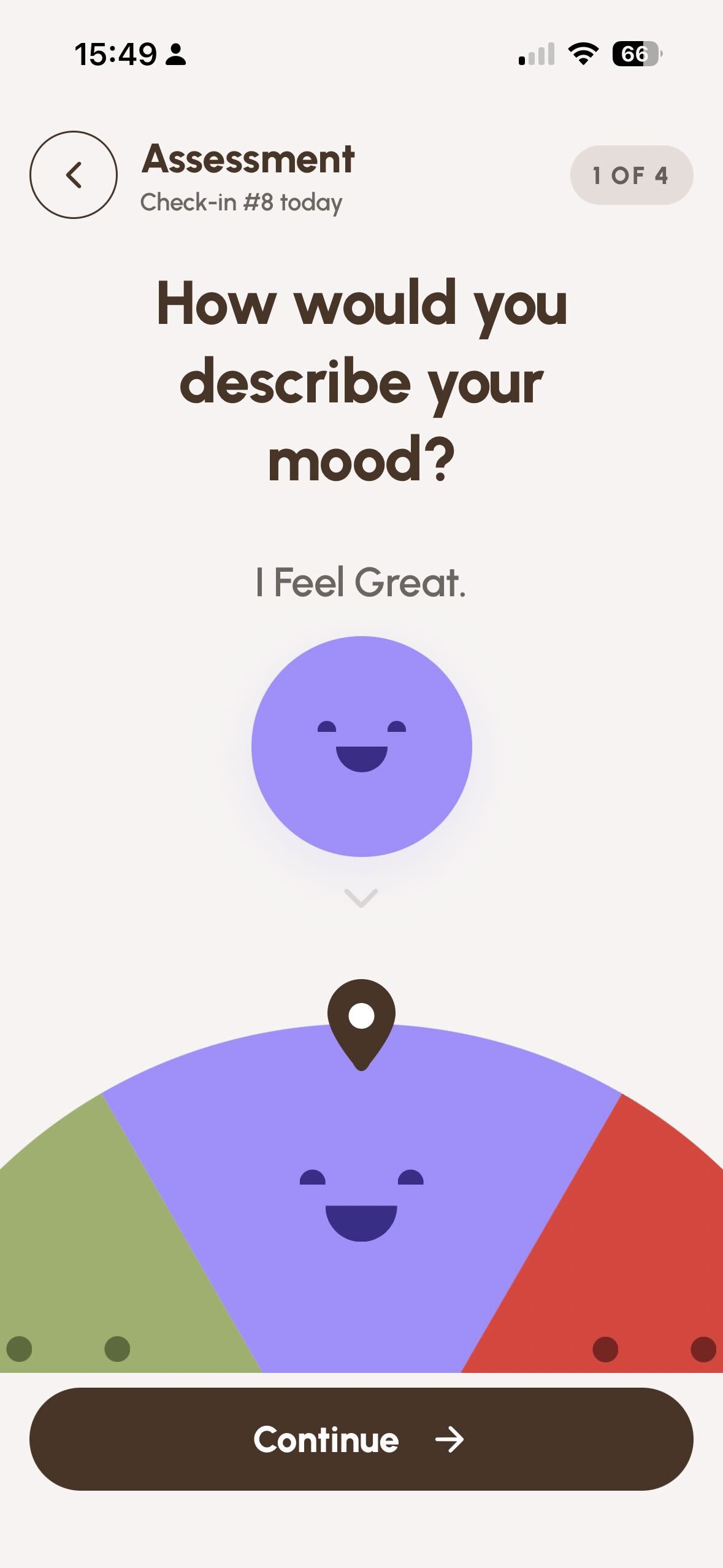
Vibeshift's check-in is four questions and takes about twenty seconds. The first is a mood dial — you drag it, the face changes, and you do not have to translate a feeling into a number on a seven-point scale first.
That sounds trivial. It is the entire design argument. A twenty-second check-in can be asked weekly without anyone resenting it, and a weekly signal is a leading indicator. You can see a team's mood bending downward in week two rather than reading about it on a slide in November.
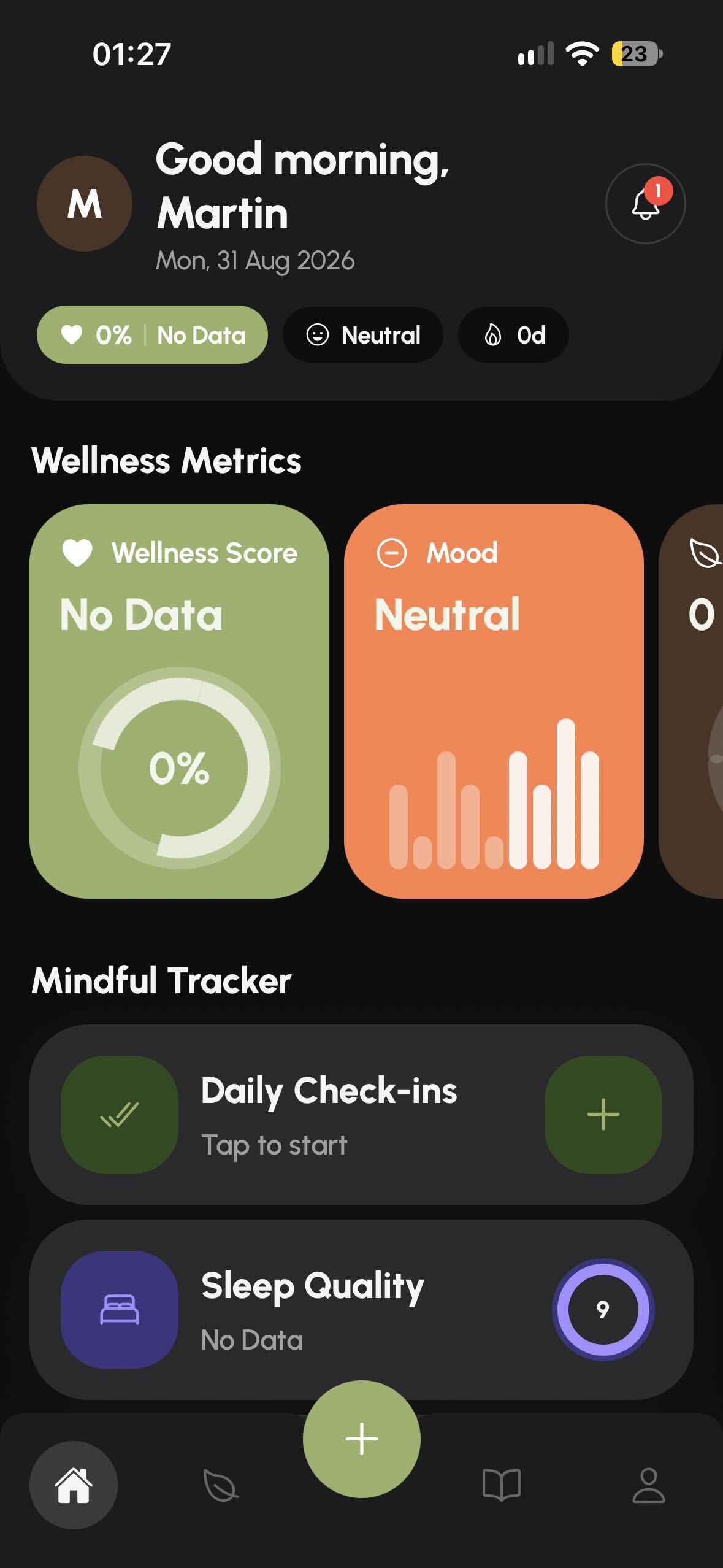
The other half is the dashboard
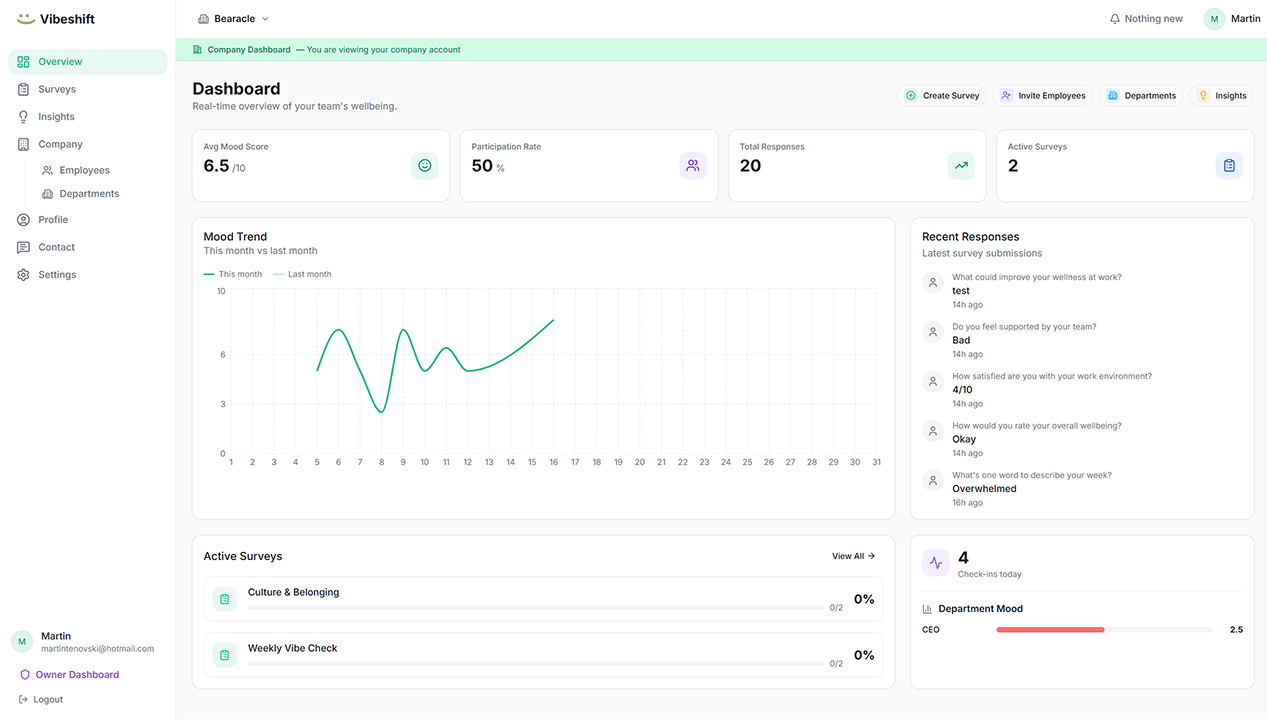
A check-in nobody acts on is just a survey with better manners. So the web side gives an HR team the things a deck cannot: average mood score, participation rate, this month's trend against last month's, department-level breakdowns, and the individual responses as they arrive.
The hard part: anonymity against usefulness
This is the trade-off every tool in this category gets wrong in one direction or the other. Perfectly anonymous data is unactionable. Perfectly actionable data means an employee is telling their manager, by name, that they are struggling — which means they will not tell you the truth.
Our answer is aggregation with a floor. Results roll up to the department, and a department only renders once enough people in it have answered. Below that threshold you see nothing at all, rather than a number that quietly identifies one person. It costs us granularity on small teams. It is the right trade.
Vibeshift is in build now. There is a web dashboard and an Android app, and a launch coming sooner than we are comfortable saying out loud.